News
The Percheron Pulse
The Hidden Risk of AI: Losing the Ability to Think Critically
The Rise of AI in the Workplace
Artificial intelligence has ra pidly moved from a futuristic concept to an everyday workplace tool. Whether it's generating reports, analyzing data, writing content, reviewing documents, or automating repetitive workflows, AI is becoming deeply integrated into how organizations operate. Most discussions focus on what AI can do, but I think the more important conversation is what AI is doing to us as professionals.
The promise of AI is incredibly compelling.
Many industries are facing a shortage of experienced workers while workloads continue to increase. Organizations are being asked to deliver more projects, faster turnaround times, and higher quality results without necessarily having additional staff available. AI appears to offer a solution by reducing the amount of time spent on routine and repetitive tasks.
Where AI Creates Real Value
 In theory, that's exactly how technology should work. It should remove low-value activities and allow people to focus on areas where professional judgment delivers the greatest benefit. Engineers should spend less time formatting reports and more time solving problems. Surveyors should spend less time drafting and more time analyzing data. Managers should spend less time compiling information and more time making strategic decisions. When technology handles the administrative burden, experienced employees have more opportunities to apply their knowledge and experience where it matters most.
I've seen this firsthand in technical industries where automation tools have dramatically reduced the time required to complete tasks that were once highly manual. Workflows that previously took hours can now be completed in minutes. The productivity gains are difficult to ignore, and in many cases
the quality of the final product has improved because professionals can spend more time reviewing and refining their work instead of creating it from scratch.
A real-world example is the use of AI-assisted drafting or review tools in technical work. These tools can quickly calculate area and volume, find conflicting data, or prepare an initial report of issues, but the final value still depends on an experienced professional recognizing whether the output makes sense, whether assumptions are valid, and whether the result meets the standard of care required for the work.
The Growing Concern: Trust Without Verification
Despite these benefits, I hav e observed a growing tendency to place too much trust in AI-generated results. The issue isn't that AI makes mistakes. Every technology makes mistakes. The issue is that people sometimes stop questioning the results. When professionals begin accepting AI-generated output without understanding how it was produced or verifying its accuracy, the technology stops being a tool and starts becoming a crutch.
This is where the conversation becomes less about artificial intelligence and more about professional responsibility.
Expertise Is Built Through Experience
 Experience is built through repetition, problem solving, and learning from mistakes. Skilled professionals develop an instinct for identifying errors because they've spent years understanding why those errors occur. If AI performs more of the underlying work, will future generations of professionals develop the same depth of knowledge? Or will they become highly efficient at generating answers without truly understanding them?
That question applies to virtually every industry. An engineer still needs to understand engineering principles even if AI helps perform calculations. A surveyor still needs to understand boundary analysis even if AI can draft legal descriptions. A project manager still needs to exercise judgment even if AI can generate schedules and reports.
Developing the Next Generation of Professionals
 Developing future talent in an AI-driven workplace will require intentional effort. Organizations need to create opportunities for employees to learn foundational skills before relying heavily on AI-generated solutions. New professionals still need chances to calculate, draft, review, question, and correct work on their own so they understand the reasoning behind the result. AI can assist that process, but it cannot replace the experience gained through hands-on learning.
Just as importantly, responsibility for decisions must remain with people. No matter how much AI contributes to a work product, professionals and leaders remain accountable for verifying the output, applying judgment, and making sure the final decision is appropriate.
Technology changes tools, but it shouldn't replace expertise.
Balancing Automation with Accountability
I don't believe the future will be defined by organizations that automate the most. I believe it will be defined by organizations that balance automation with accountability. The companies that gain the greatest advantage from AI will be those that continue to invest in employee development, maintain strong quality control processes, and treat AI-generated output as a starting point rather than a final answer.
Leaders play a critical role in establishing expectations for verification, quality control, and responsible AI use.
Using AI to Elevate Professional Standards
When used correctly, AI can elevate professional standards. By removing repetitive work, it gives skilled employees more time to focus on innovation, mentorship, process improvement, and strategic thinking. It can help organizations do more with limited resources while allowing experienced professionals to spend their time where it creates the greatest value.
AI delivers significant benefits in productivity, efficiency, and innovation, but organizations must be careful not to make speed and output their only priorities. Faster results do not always mean better results, and overreliance on AI can increase productivity while diminishing expertise. The future of work will be shaped not by AI itself, but by how organizations integrate it into their culture and professional standards.
Organizations that thrive in the age of AI won't be those that rely on it the most, but those that combine technological capability with human judgment, experience, and accountability.
The Real Question
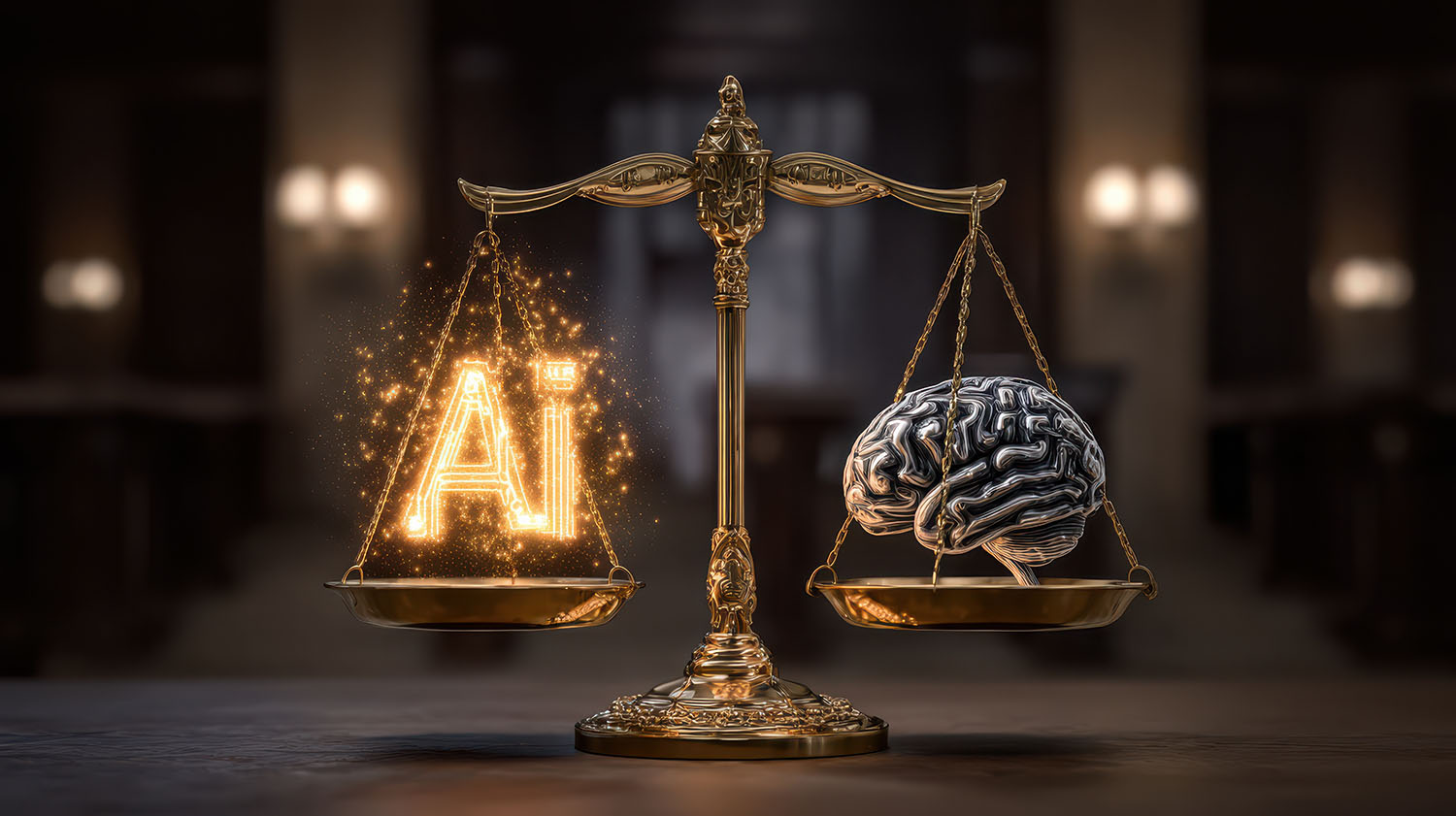
Perhaps the real question isn't whether AI will replace people. It's whether we will continue to challenge ourselves to think critically, maintain high standards, and develop expertise in a world where answers are increasingly available with the click of a button.
Technology is here. The real challenge is ensuring that as our tools become more powerful, our judgment, accountability, and commitment to developing people become stronger as well.
Let's not allow AI to become the final domino tipping us toward the world depicted in Idiocracy. Instead, let's ensure it becomes a tool that amplifies human expertise rather than replaces the need for it.
Author: Jim ford

Texas Survey Firm Registration Number 10020700
1904 W. Grand Parkway N., Suite 200, Katy, TX 77449
888-232-3149